Money Apps and Daily Habits: A 2026 Routine Guide
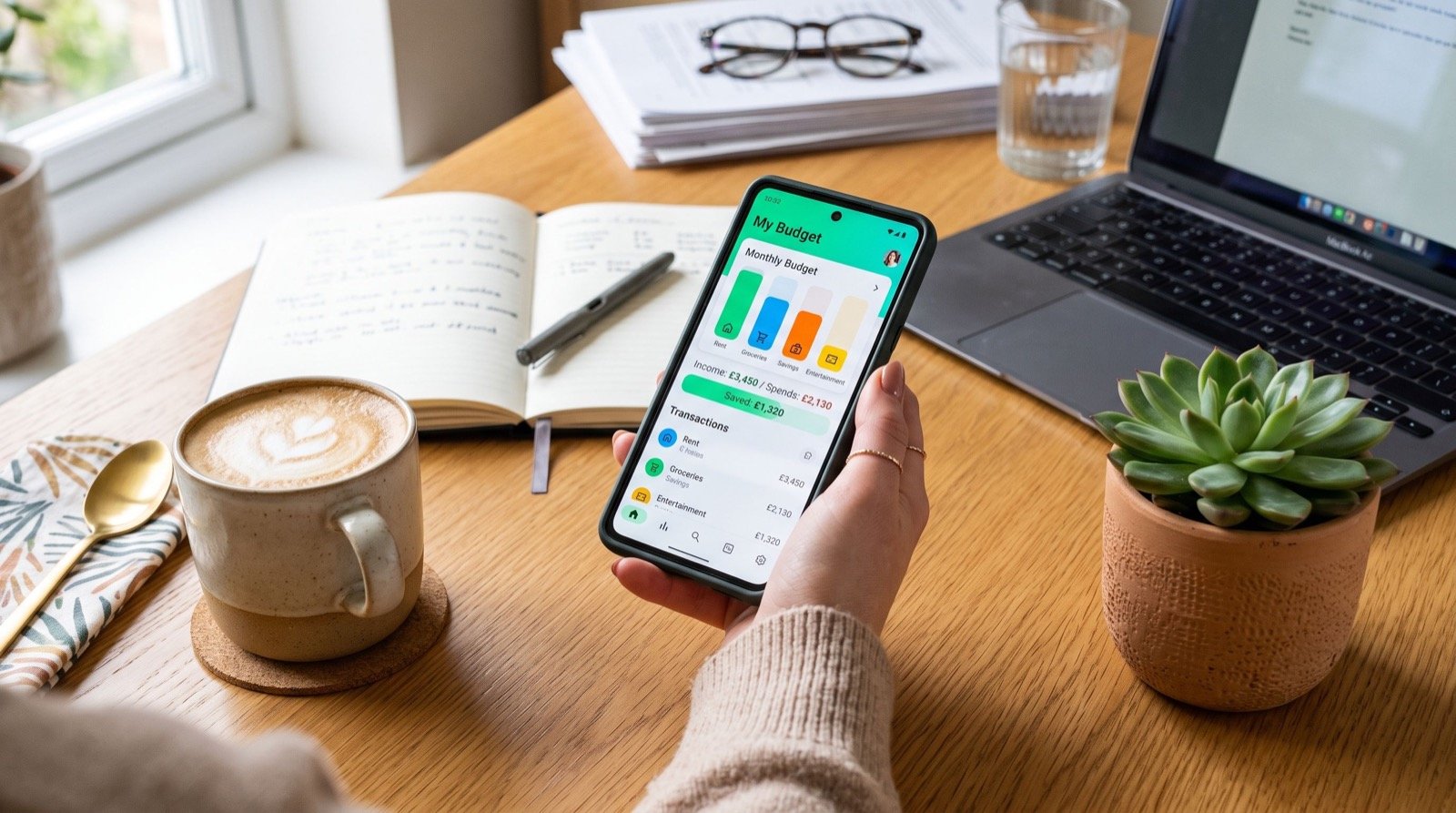
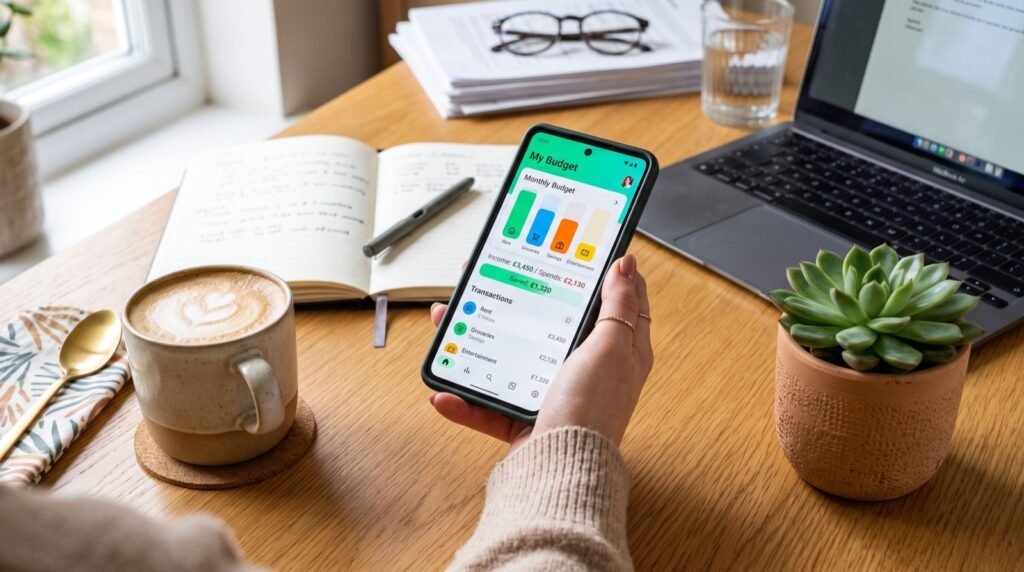
The smartest way to use money apps in 2026 is to wire them into small daily habits, because tools only help when you actually open them. Most people download a budgeting app, feel motivated for a week, then forget it exists. This guide fixes that by building a simple routine around the apps you already have.
Instead of chasing the perfect app, we focus on behavior. You will learn a morning check, a weekly reset, and a monthly review that together keep your finances calm and clear all year.
Why Habits Beat Hacks
Viral money hacks fade fast, but a repeatable routine compounds quietly. When a money app becomes part of your day, you catch overspending early and reach goals without heroic willpower.
Behavioral research consistently shows that automation and regular check-ins outperform bursts of intense effort. The goal is a system so light that skipping it feels odd.
- Small, frequent actions reduce the shock of month-end surprises.
- Automation removes the need to remember every transfer.
- Visibility turns vague worry into a specific, fixable number.
How Often Should You Check Your Money Apps?
You do not need to stare at your balance all day, and obsessive checking can actually raise stress. A rhythm of brief, purposeful glances works far better than constant anxiety.
Here is a schedule we have refined with readers who wanted structure without burnout:
- Daily (60 seconds): glance at yesterday’s transactions and your remaining weekly spending.
- Weekly (10 minutes): categorize anything the app missed and top up your savings goal.
- Monthly (30 minutes): review trends, cancel unused subscriptions, and adjust next month’s plan.
For more structured routines like this, a solid set of personal finance tips can help you tailor the cadence to your own income and goals.
Building Your Morning Money Minute
Attach your daily check to something you already do, such as your first coffee. This “habit stacking” trick makes the new behavior almost automatic within two weeks.
During that minute, confirm no surprise charges appeared and note your safe-to-spend figure. That single number guides your decisions for the rest of the day.
One Original Tip Readers Love
Rename your savings goal inside the app to something emotional, like “Spain 2027” instead of “Savings.” Testers who used vivid names transferred money more consistently than those staring at a generic label.
Comparison: Light vs. Deep App Routines
| Routine | Time Needed | Best For | Main Benefit |
|---|---|---|---|
| Light touch | ~5 min/week | Steady incomes | Low effort, fewer surprises |
| Balanced | ~15 min/week | Most people | Goals plus flexibility |
| Deep dive | ~45 min/week | Variable income or debt payoff | Tight control and fast progress |
Start lighter than you think you need. You can always add depth once the basic habit sticks, but an overambitious routine usually collapses in week two.
Automate the Boring Parts
Automation is where money apps truly shine. Set recurring transfers on payday so saving happens before you can spend, a tactic often called “paying yourself first.”
Bill reminders and low-balance alerts prevent late fees and overdrafts, which quietly drain hundreds of dollars a year from unprepared households. The Consumer Financial Protection Bureau’s consumer tools explain how to spot and avoid these charges in plain language.
- Schedule savings transfers for payday, not month-end.
- Turn on alerts for low balances and large purchases.
- Use bill-reminder features to protect your credit from missed payments.
When to Bring in Human Help
Apps manage your cash flow, but big-ticket decisions still deserve expert eyes. If you are financing a home or a large asset, pairing your app data with reputable service experts helps you plan payments you can genuinely sustain.
Bring your app’s spending report to those conversations. Clean, organized numbers lead to better advice and faster decisions.
Troubleshooting a Routine That Keeps Slipping
Almost everyone falls off their money routine at some point, and that is normal rather than a failure. The trick is making the restart effortless instead of guilt-ridden.
If you have skipped your checks for weeks, do not try to reconstruct every missed transaction. Simply open the app, glance at your current balance and upcoming bills, and start fresh from today. Perfection is the enemy of consistency here.
When a routine keeps slipping, the task is usually too big. Shrink it: a 60-second glance beats an abandoned 30-minute review every single time. You can always expand once the small version sticks.
- Lower the time commitment until the habit feels almost too easy.
- Attach the check to an existing daily anchor like breakfast or your commute.
- Turn on a daily app notification as a gentle, no-shame reminder.
- Celebrate small wins, such as a week of consistent check-ins.
Progress, not perfection, builds lasting financial habits. A routine you actually follow at 70 percent consistency beats a flawless plan you quit after ten days.
How Money Apps Support Long-Term Goals
Daily habits feel small, yet they feed directly into major milestones. Each automated transfer and avoided late fee moves you closer to a home deposit, a debt-free date, or a comfortable retirement.
The Federal Reserve’s household economic well-being research regularly highlights how emergency savings and steady habits shape financial resilience. Money apps simply make those habits easier to keep without constant mental effort.
Frequently Asked Questions
How many money apps should I actually use?
Two or three is plenty for most people: one for budgeting, one for payments, and optionally one for saving or investing. More than that usually creates clutter and confusion rather than control.
Will checking my money apps daily make me anxious?
A brief, structured glance reduces anxiety because surprises shrink. Problems arise only from obsessive, aimless refreshing, so keep the daily check short and purpose-driven.
What is the single most valuable money app habit?
Automating savings on payday. Paying yourself first before discretionary spending is the habit that most reliably builds wealth over time, according to decades of behavioral finance findings.
Can money apps help with debt payoff?
Yes. Many apps track balances, visualize payoff timelines, and automate extra payments, which keeps motivation high and progress visible during a long payoff journey.
Final Thoughts
Money apps work best as the backbone of a light daily routine rather than a one-time download. Build a 60-second morning check, automate your payday savings, and reserve a calm monthly review, and your finances will steadily organize themselves in 2026. Pick one habit from this guide and start it today, then layer on the next once it feels natural.